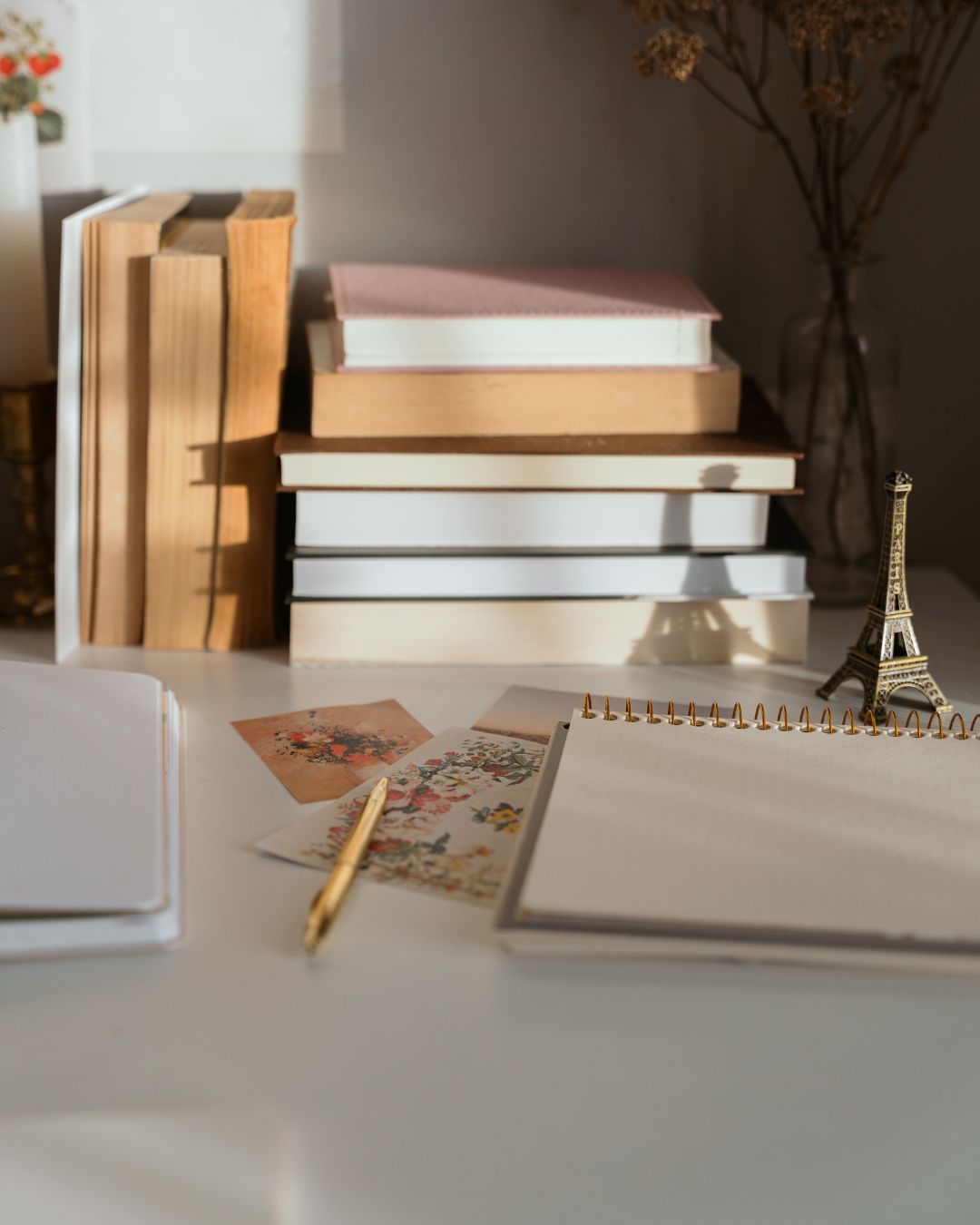
There was a time when I believed the only way to stay on top of life was to plan everything. Every task had a place, every hour had a purpose, and every page in my planner was filled. It looked organised, but it didn’t feel calm. By the middle of the week, I often felt behind, even when I was doing enough.
Over time, I realised that keeping track of life doesn’t require more structure. It requires the right kind of structure — one that supports you without overwhelming you. A light planning system can hold your responsibilities while still leaving room for rest, spontaneity, and the unexpected.
This is a way of staying organised without over-planning. It’s less about control and more about clarity.
Start with a single place to hold everything

One of the biggest shifts I made was moving away from scattered systems and embrace the art of light planning. Notes in different apps, reminders across platforms, and ideas written in random places created more mental clutter than clarity.
Having one central place to hold everything changed that.
This can be:
- a notebook
- a planner
- a simple digital note (if you prefer)
What matters is that it becomes your default space. Whenever something comes up — a task, an idea, a reminder — it goes there. Instead of trying to remember everything, you begin to trust that it’s already captured.
Using a minimal notebook or a simple planner can make this feel easy and approachable. The tool itself doesn’t need to be complex. It just needs to be consistent.
Capture first, organise later
When everything feels urgent, the instinct is often to organise immediately. I used to spend time categorising tasks as soon as I wrote them down, trying to make sense of everything at once.
Now, I let things be messy at first, a light planning system really helps.
Whenever something comes to mind, I write it down without filtering:
- tasks I need to do
- things I don’t want to forget
- ideas that might matter later
This creates a sense of relief. Instead of holding everything in my head, I can let it exist on paper. Organisation can come later, when there’s more space to think clearly.

Focus on a few priorities, not everything
One of the easiest ways to fall into over-planning is trying to do too much at once. Long lists can feel productive, but they often lead to overwhelm.
Choosing a few priorities has been one of the most helpful changes I’ve made.
At the start of the week, or even each day, I ask:
- What actually matters right now?
From there, I select a small number of priorities, usually three. These become my focus. Everything else is still there, but it doesn’t demand my attention in the same way.
This light planning approach keeps things manageable. It also makes it easier to feel a sense of completion, rather than constantly chasing more.
Use simple lists instead of complex systems
There’s something grounding about a simple list.
Instead of using multiple layouts, trackers, and categories, I’ve found that a basic list is often enough. A page with a few tasks, a couple of notes, and space to add more as the day unfolds can hold more than it seems.
Lists don’t need to be perfect. They can be crossed out, rewritten, or left unfinished. They’re flexible by nature, which makes them easier to return to.
A smooth pen and a blank page can sometimes be more effective than an elaborate system.
Plan lightly, not completely
Planning every detail of your day can create a false sense of control. Life rarely follows a perfectly structured plan, so leaving room for change makes it easier to adapt.
When I plan now, I focus on placing only what’s necessary:
- key commitments
- a few important tasks
- space in between
Leaving gaps in your schedule isn’t a sign of poor planning. It’s a way of making your plan realistic.
Those open spaces allow for:
- unexpected tasks
- moments of rest
- time to move things around without stress
A lightly planned day often feels more spacious, even when it’s still full.

Create a gentle rhythm instead of rigid routines
Routines can be helpful, but they don’t need to be strict.
Instead of setting fixed rules, I’ve found it more sustainable to create a light planning rhythm. There are certain moments in my week where I naturally check in — usually at the start or end of the day, and at the beginning of a new week.
These moments become anchors:
- a quick review in the morning
- a small reset in the evening
- a weekly check-in to look ahead
The rhythm stays consistent, even if the details change. This makes it easier to maintain without feeling restricted.
Let go of tracking everything
It can be tempting to track every habit, every task, and every detail of your life. While this can feel productive at first, it often becomes exhausting over time.
Not everything needs to be measured or recorded.
Letting go of excessive tracking creates more mental space. It also allows you to focus on what actually supports your life, rather than what simply fills a page.
A light planning system works best when it includes only what is useful. If something starts to feel like a burden, it’s okay to remove it.
Allow your system to change
Life doesn’t stay the same, and your system doesn’t have to either.
Some weeks are busier, others are slower. There are seasons where you need more structure, and times when you need less.
Adapting your system to match your current needs makes it more sustainable. Instead of trying to maintain consistency at all costs, you begin to respond to what your life actually looks like.
This flexibility is what keeps a system from becoming overwhelming.

A quieter way to stay organised
Keeping track of life doesn’t have to mean planning everything.
It can be as simple as:
- writing things down in one place
- choosing a few priorities
- planning lightly
- returning to your system when you need it
There’s a quiet confidence that comes from knowing you don’t need to control every detail. When your system is simple, it becomes something that supports you in the background, rather than something you have to manage constantly.
A final note
You don’t need a perfect system to stay organised.
You don’t need to plan every hour of your day or track every part of your life. A few simple practices can create enough clarity to move through your days with more ease.
For me, the shift wasn’t about becoming more productive. It was about creating a way of keeping track of things that felt calm, flexible, and sustainable. And in that space, life feels a little calmer.


You must be logged in to post a comment.